Page Description
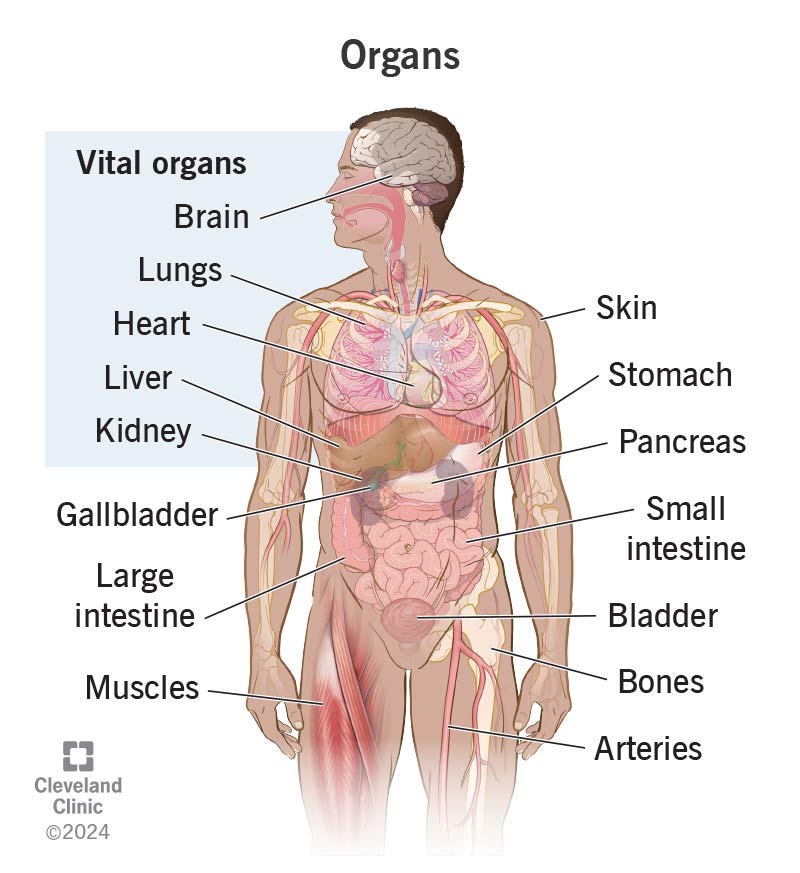
This page has a list and description of all the vital organs, along with links to sources and lists of plants that support the organs’ function and health.
This list includes:
- Brain
- Heart
- Lungs
- Stomach
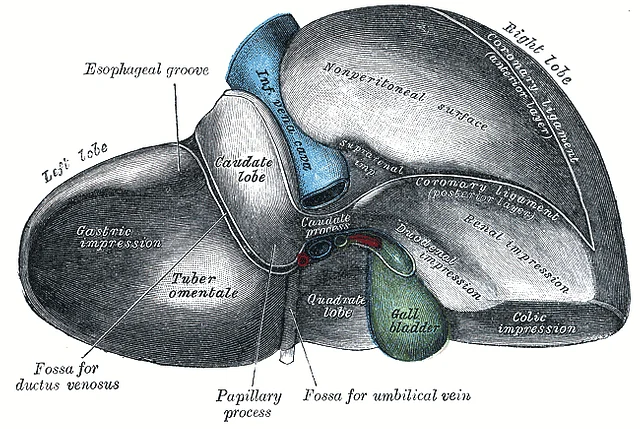
- Liver
- Intestines
- Blood
Reminder before scrolling
There is a lot of content on this page. Health is important, and we must take care of it to have a healthy, happy life and lifestyle. If all of this information is overwhelming, remember to stick to the basics:
- By eating a healthy, balanced diet. What is a healthy, balanced diet?
- Exercising regularly – aim to do at least 150 minutes of exercise a week
- Avoiding harmful substances and changing bad habits. – Avoid harmful substances
This page describes the effects of some nutrients on the body, and is further broken down by organ. This approach is to enable readers to target specific areas of the body by incorporating vitamins and minerals into their diet to support overall health.
DISCLAIMER: I am not an expert or a doctor; this is simply information I have gathered from trustworthy organisations such as the NHS, NIH , and other health services. This is a reminder that all this information is not to be taken literally, but rather as a guide towards living a healthier lifestyle.
*If you suspect any issues with your health, you should seek advice from a qualified healthcare practitioner to ensure appropriate care and treatment.
Vitamin A
Vitamin A, also known as retinol, has several important functions.
These include:
- helping your body’s natural defence against illness and infection (the immune system) work properly
- helping vision in dim light
- keeping the skin and the lining of some parts of the body, such as the nose, healthy
Good plant sources of vitamin A
Good sources of beta-carotene in your diet, as the body can convert this into vitamin A (retinol). The main food sources of beta-carotene are yellow, red and green (leafy) vegetables such as:
- spinach/ sea beet
- dandelions
The amount of vitamin A adults aged 19 to 64 need is:
- 700 µg a day for men
- 600 µg a day for women
You should be able to get all the vitamin A you need from your diet. Any vitamin A your body does not need immediately is stored for future use. This means you do not need it every day. More info…
Vitamin B
The B vitamins are identified as follows: thiamine (B1), riboflavin (B2), niacin (B3), pantothenic acid (B5), pyridoxine (B6), biotin (B7), folate (B9), and cobalamin (B12). B vitamins promote all facets of cellular physiological functioning, including key brain and nervous system functions. Through the citric acid cycle and electron transport chain, any B vitamin deficit can have an adverse effect on the mitochondrial metabolism of glucose, fatty acids, and amino acids.
Summary: B vitamins help your body turn food into energy and keep your brain and nervous system working properly. Source: NIH
Further reading on all the B vitamins
Vitamin C
Vitamin C, also known as ascorbic acid, has several important functions.
These include:
- helping to protect cells and keep them healthy
- maintaining healthy skin, blood vessels, bones and cartilage
- helping with wound healing
Lack of vitamin C can lead to scurvy.
Good sources of vitamin C
Vitamin C is found in a wide variety of fruits and vegetables, such as:
- Stinging Nettle
- Dandelion
- blackcurrants
- blackberries
Adults aged 19 to 64 need 40mg of vitamin C a day. NIH claim 90 mg for males and 75 mg for females
You should be able to get all the vitamin C you need from your daily diet. Vitamin C cannot be stored in the body, so you need it in your diet every day. More info…
Vitamin D
Vitamin D helps regulate the amount of calcium and phosphate in the body.
These nutrients are needed to keep bones, teeth and muscles healthy.
A lack of vitamin D can lead to bone deformities such as rickets in children and bone pain caused by a condition called osteomalacia in adults.
The best source for vitamin D is sunlight exposure, so the act of foraging in the sun offers this opportunity.
Vitamin D is also found in a small number of foods.
Sources include:
- oily fish – such as salmon, sardines, trout, herring or mackerel
- red meat
- egg yolks
- fortified foods – such as some fat spreads and breakfast cereals
- liver (avoid liver if you’re pregnant
Vitamin E
Vitamin E helps maintain healthy skin and eyes, and strengthens the body’s natural defence against illness and infection (the immune system).
Good sources of vitamin E
Vitamin E is a group of compounds found in a wide variety of foods. Good sources include:
- plant oils – such as rapeseed (vegetable oil), sunflower, soya, corn and olive oil
- nuts and seeds
- wheat germ – found in cereals and cereal products
How much vitamin E do I need?
The amount of vitamin E you need is:
- 4mg a day for men
- 3mg a day for women
You should be able to get all the vitamin E you need from your diet. Any vitamin E your body does not need immediately is stored for future use, so you do not need it in your diet every day. More info
Vitamin K
Vitamin K is a group of vitamins that the body needs for blood clotting, helping wounds to heal.
There’s also some evidence that vitamin K may help keep bones healthy.
Good sources of vitamin K
- green leafy vegetables – such as broccoli, spinach, sea beet, dandelion green
- vegetable oils
- cereal grains
- Small amounts can also be found in meat and dairy foods.
Adults need approximately 1 microgram of vitamin K per kilogram of body weight per day. More info…
Calcium
Calcium has several important functions.
These include:
- helping build bones and keep teeth healthy
- regulating muscle contractions, including your heartbeat
- making sure blood clots normally
A lack of calcium could lead to rickets in children, and osteomalacia or osteoporosis in later life.
Sources of calcium
- milk, cheese and other dairy foods
- Stinging nettle
- Sea Beet
- Dandelion
iron
Iron is important in making red blood cells, which carry oxygen around the body.
A lack of iron can lead to iron deficiency anaemia.
Good sources of iron
- Dandelion
- Stinging Nettle
- Sea Beet
- Wild garlic
The amount of iron you need is:
- 8.7mg a day for men aged 19 and over
- 14.8mg a day for women aged 19 to 49
- 8.7mg a day for women aged 50 and over. More info…
Brain
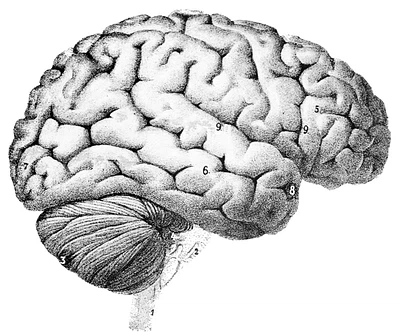
Your brain is a major organ that regulates everything you do and who you are. This includes your movement, memory, emotions, thoughts, body temperature, breathing, hunger and more. Your brain weighs about 3 pounds (1.3kg), but it accounts for roughly 20% of your daily calorie intake.
Nutrients for the brain function
Vitamin A
“The role of RA in the brain persists into adulthood. Many studies over the past decade have contributed to the demonstration that RA is involved in the maintenance of neurobiological processes, particularly neuroplasticity, that underlie memory performances throughout life and that the hypoactivity of retinoid signalling participates in age-related cognitive decline” (Pallet & Touyarot, 2015)
Allicin
Raw Garlic, wild garlic and three-cornered leek, when chopped or crushed, the enzyme alliinase converts the precursor alliin into allicin. It acts as a strong antimicrobial, antioxidant, and anti-inflammatory agent.
Allicin helps protect brain function, prevent deterioration from diseases like alzheimer’s and improve memory. (Chen et al., 2025)
Vitamin E
Vitamin E is an important antioxidant that primarily protects cells from oxidative stress-induced damage by free radicals. Research showed that adequate vitamin E intake supports healthy brain function in older people. (La Fata et al., 2014)
Vitamin B and Folate
Vitamin B plays vital roles in keeping your brain and nervous system working properly. If the brain suffers from a deficiency of B vitamins, this can manifest itself in a series of mental and cognitive symptoms, such as mental exhaustion, fatigue, lack of concentration and poor memory.
Heart
Basic description
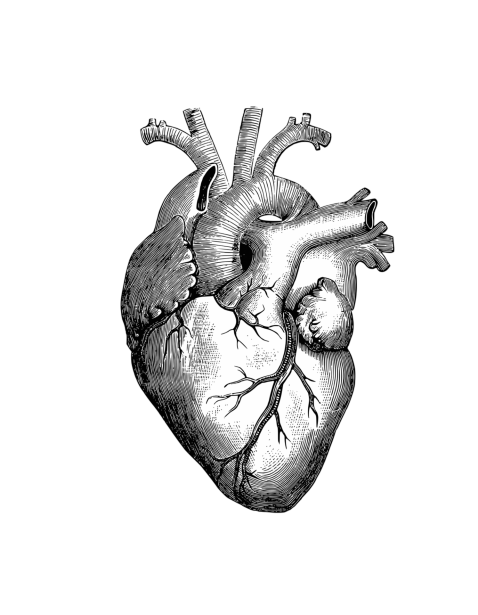
Your heart pumps blood around your body, bringing oxygen and nutrients to your cells. It also takes away carbon dioxide and other waste so that other organs can dispose of them. Your heart also controls the rhythm and speed of your heart rate and maintains your blood pressure.
More heart function
Nutrients for the Heart function
Vitamin E
Vitamin K
Vitamin B12
Magnesium
Allicin
Vitamin C
Plants affecting the heart
Liver
Your brain is a major organ that regulates everything you do and who you are. This includes your movement, memory, emotions, thoughts, body temperature, breathing, hunger and more. Your brain weighs about 3 pounds (or 1.3kg), but it burns roughly 20 % of your calories.
Nutrients for the brain function
Vitamin E
Vitamin D
Vitamin B12
Magnesium
Allicin