
Sea Beet
Scientific Name
Common Names
Family
Irish Name
Beta vulgaris ssp. Maritima
Sea Spinach, Wild Spinach
Amaranthaceae
Laíon na Trá
Scientific Name
Beta vulgaris ssp. Maritima
Common Names
Sea Spinach, Wild Spinach
Family
Amaranthaceae
Irish Name
Laíon na Trá
Plant Description
Sea beet is one of, if not the best, wild vegetables commonly available, as it is found all year round, its location is easy to establish, and it’s a nutritionally strong plant. As the name suggests, it is an old ancester of the beet. This is great because it can act as a great substitute for store-bought spinach that seems to wilt after a few days in the fridge, and better yet, it’s more nutritious.
This plant is one of, if not the first, plants I cultivated as we used it in my parents’ restaurant.
How to identify
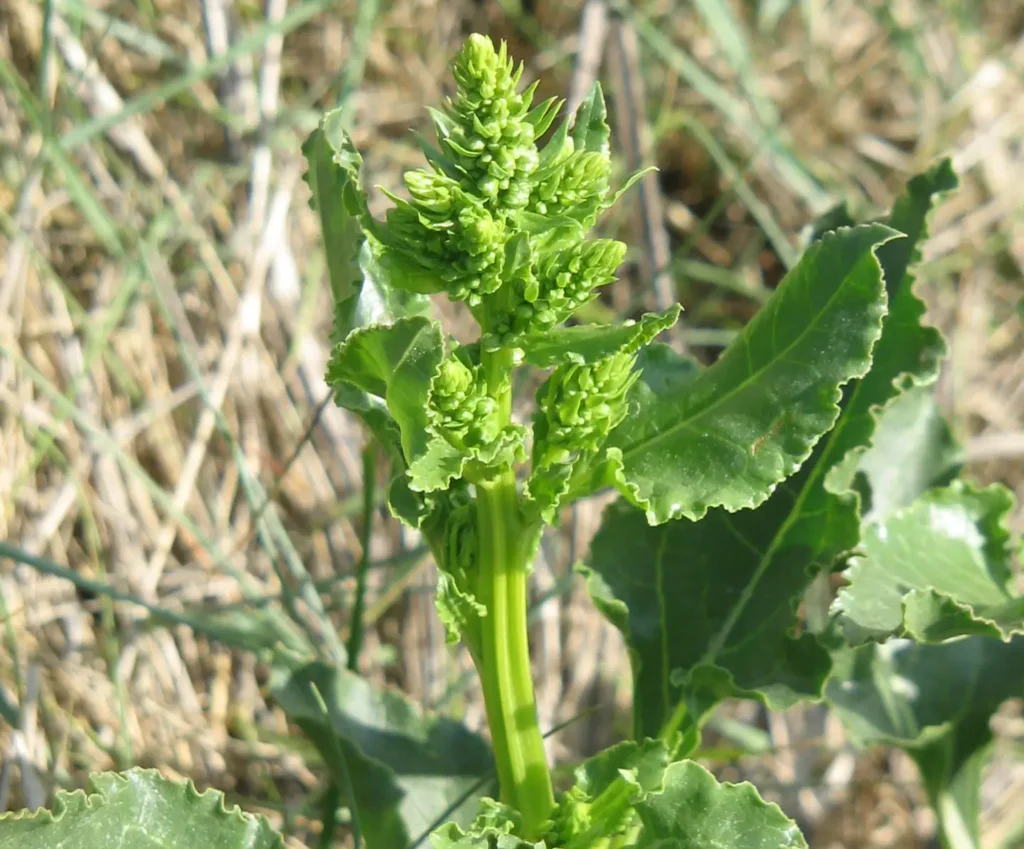
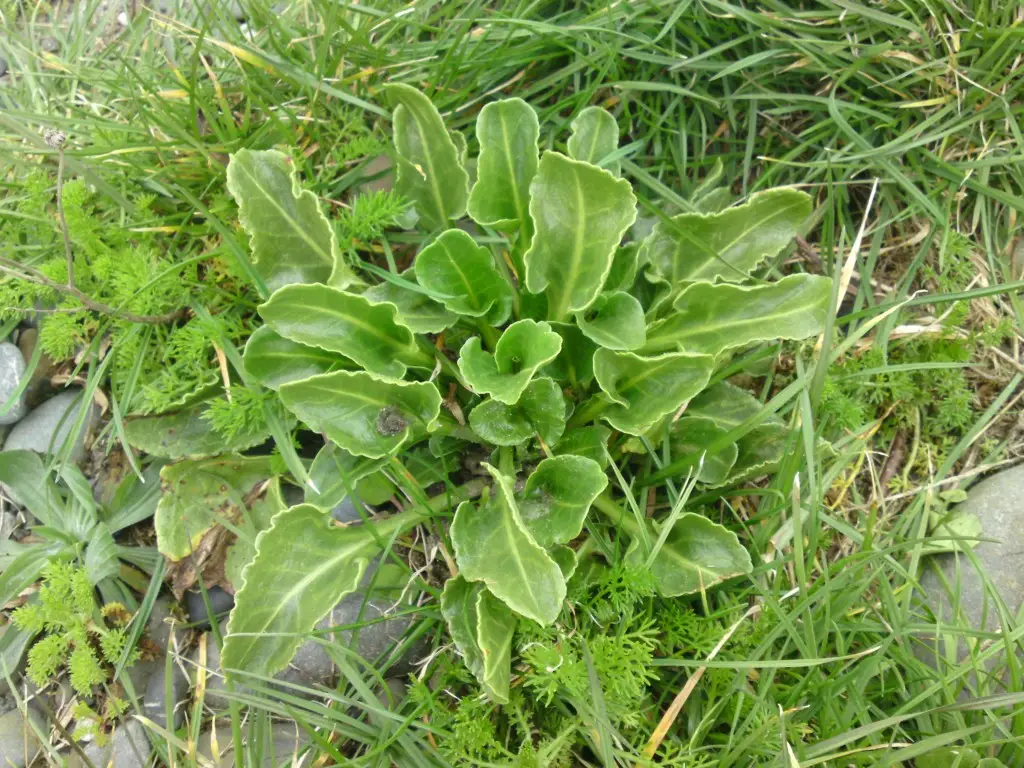
The plant’s leaves are a sort of diamond to oval-shaped, with thick, glossy leaves that grow from 4 to 20 cm long. It belongs to the Goosefoot family, along with spinach and the spear-leaved Orache. The leaves are quite succulent and are much richer, sweeter and saltier than your regular spinach.
One of the most reliable identification features is the plant’s texture. The leaves have a distinctly waxy, almost fake feeling, which makes them stand out from similar species. In my experience, this is the easiest way to distinguish the plants from similar species.
Further reading:
Harvesting Time
February until October.
The plant leaves are best picked during Spring all the way until the end of April. When the plant flowers in April, it will start to put most of its energy into the flowers, causing the leaves to wilt. To extend the harvesting season of the leaves, it is important to harvest most of the leaves from a selection of plants early in the spring. This encourages regrowth later in the season, typically around August, allowing for a second harvest that can continue through to the beginning of winter.
The plant’s flowers can be harvested and are
The roots are edible and have a faint beetroot taste, but are not considered worth the effort.
Plant Lookalikes⚠️
Sea beet does not have any poisonous plant look-alikes, but it could be confused with other edible plants such as orache, dock plant and horseradish.
The sea beet leaves are much smoother and glossier than those above, so this should help with identification
Safety Notice
The leaves are relatively high in oxalates. These are not problematic when ingested in moderation as part of a balanced diet by healthy people, but if your doctor has warned you against spinach or rhubarb, the same warnings apply here. Excessive use of beets could cause hypocalcemia, kidney damage or toxicity from the plant oxalates.
Nutritional information per 100g
Vitamins
Vitamin
Content per 100 g
Vitamin A | 200 μg | 25% |
Vitamin C | 36 mg | 40% |
Vitamin B (folates) | 302 ug | 60% |
Minerals
Mineral
Content per 100 g
%RI
Calcium | 95 mg | 10% |
Magnesium | 75 mg | 18% |
Zinc | 845 ug | 8% |
Iron | 3 mg | 20% |
Potassium | 506 mg | 16% |