Plant Description
What if I told you that you can make your own homemade decaf coffee, from your back garden! The dandelion is a commonly known plant, often referred to as a weed, especially by garden owners, but it is a very versatile plant and is one of the most nutritious plants you can forage! Although this is dependent on the soil quality where it grows.
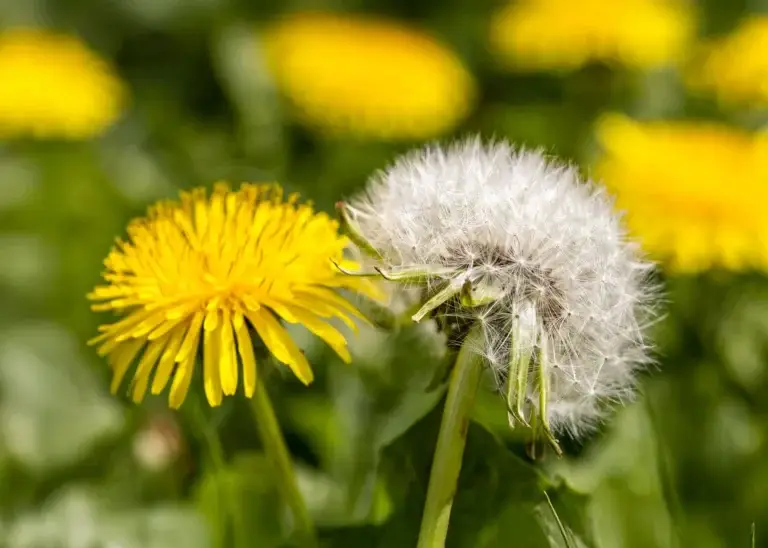
All parts of the plant can edible the ‘clocks’ of the flower stem, and are further discussed under the harvesting season(Wright, 2020)
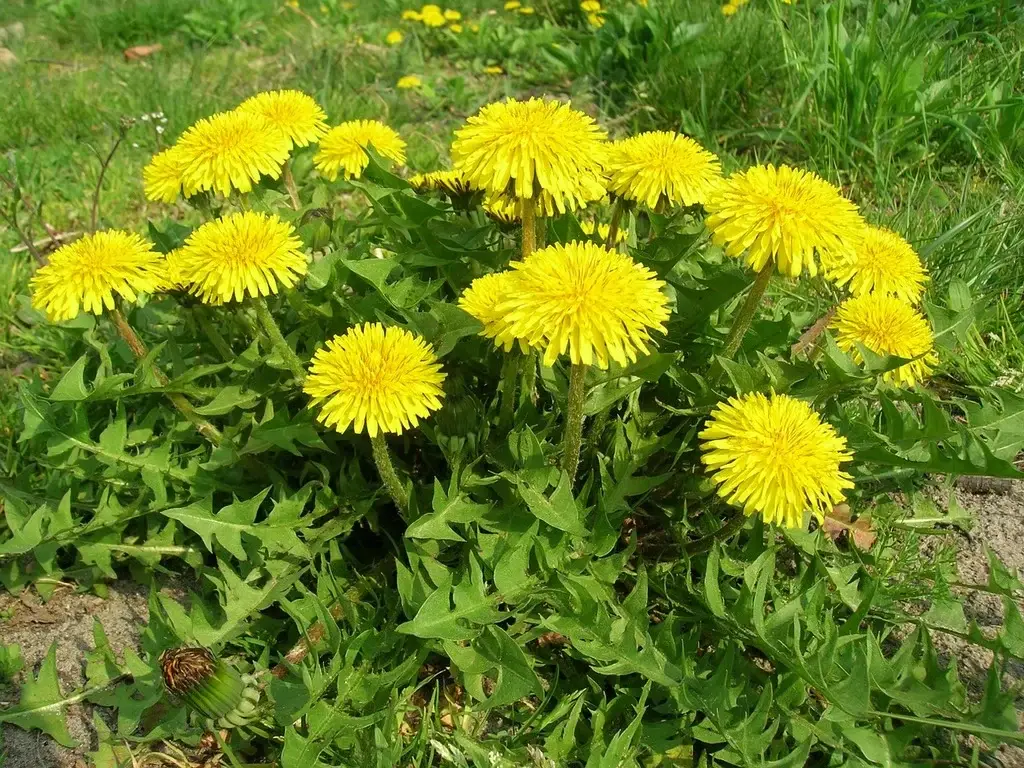
They are usually generally plants of open, usually grassy places, such as roadsides, commons, meadows, grassy heaths and lawns. Of course, they are not limited to this; you might have seen them growing in urban areas between cracks in the footpath or on old walls and waste ground.
How to identify
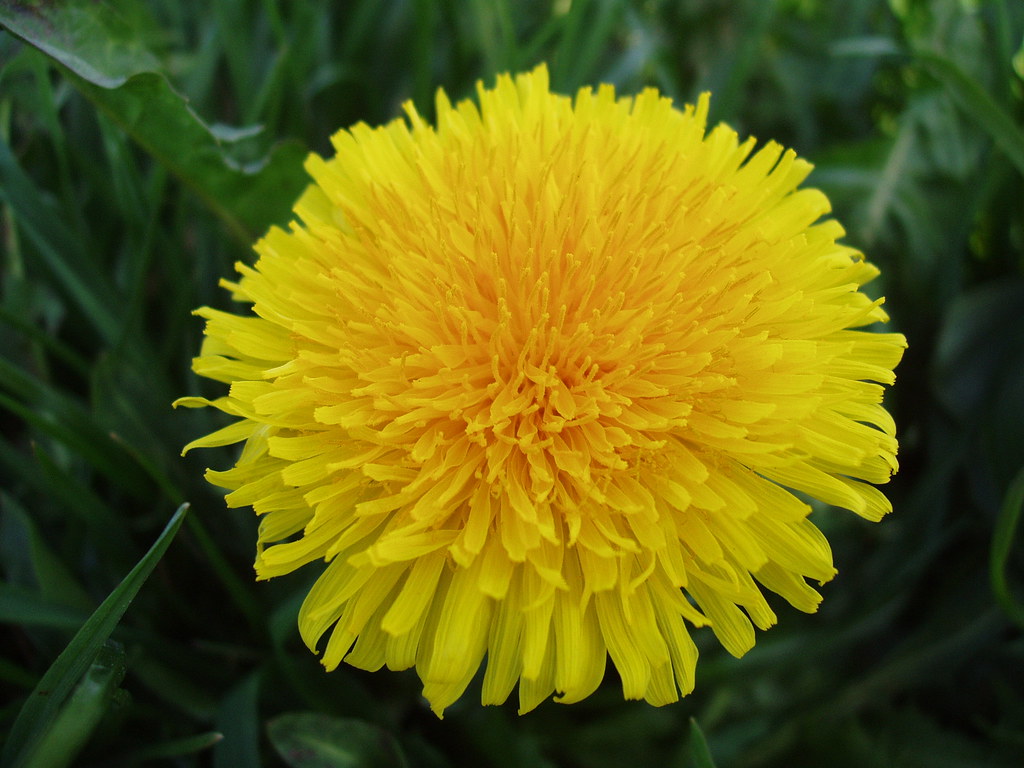
Just like the stinging nettle and blackberries, the dandelion is a plant very commonly known by the general public, but if you don’t know or are unsure, that’s what this page is for. Dandelions are simple to spot, especially when they’re in bloom (from March to November), with tall yellow blossoms blooming on fleshy stems with milky sap.
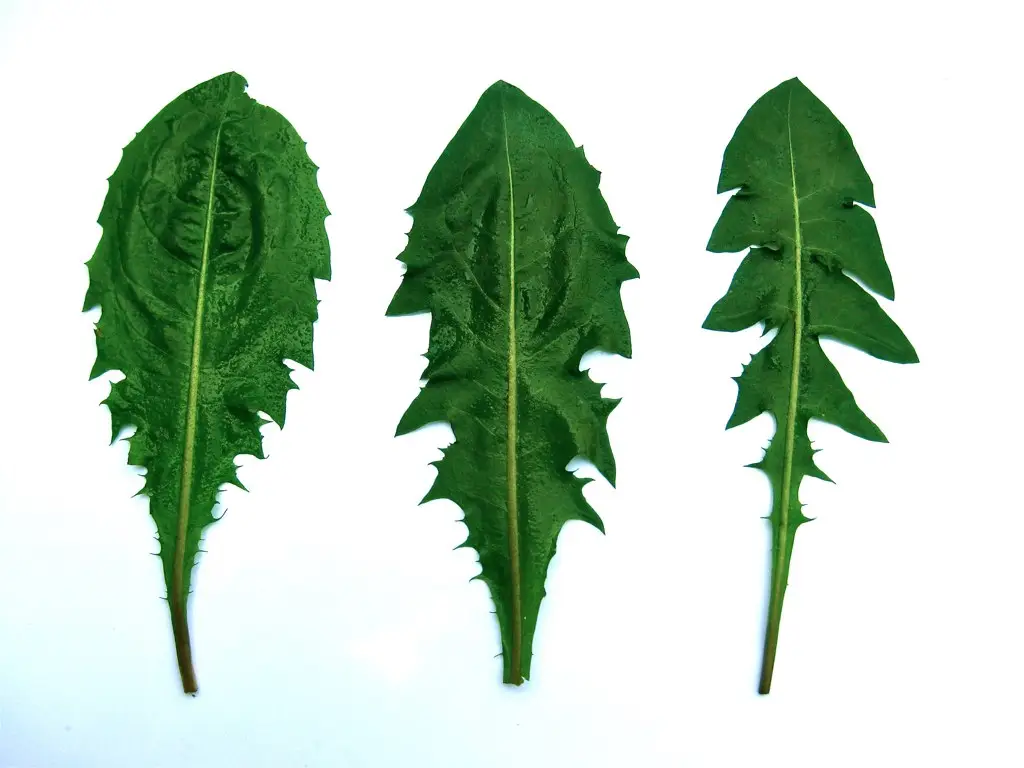
The leaves are deeply toothed, glossy, bright green, and grow in rosettes from the plant’s base. They are known as ‘dent de lion’ in French, which translates to lion’s teeth and refers to the jagged tooth-like leaves.(Foraging for Dandelions – The Salt Box, n.d.).
Further reading:
The Salt Foods
British Local Food
Grow Forage Cook Ferment – many more recipes and other uses for dandelion
Harvesting Time
February until October.
Leaves – February to May are best, but all year round
In February and early spring, the plants’ fresh young leaves begin to appear and can be used in a salad. Note that the leaves have a bitter taste to them, which is a natural thing that some people might not be the craziest fan of. It is possible to remove some of the bitterness using a method known as forcing. Forcing plants
Flowers – March to August
The plant begins to flower in early spring. Best not to pick for a bit for bees? The traditional time to pick these is on St. George’s Day, the 23rd of April. When you pick the flowers, make sure that when you harvest the flowers (ideally early morning in sunlight), you process them once you get home, as the flowers take a form of ‘nap’ in the afternoon, causing them to close up even after they are harvested.
Sep -January Roots
The roots can be harvested anytime, but best after the summer and throughout the winter. Roots can be harvested to make a caffeine-free coffee. (Wright, 2020)
Plant Lookalikes⚠️
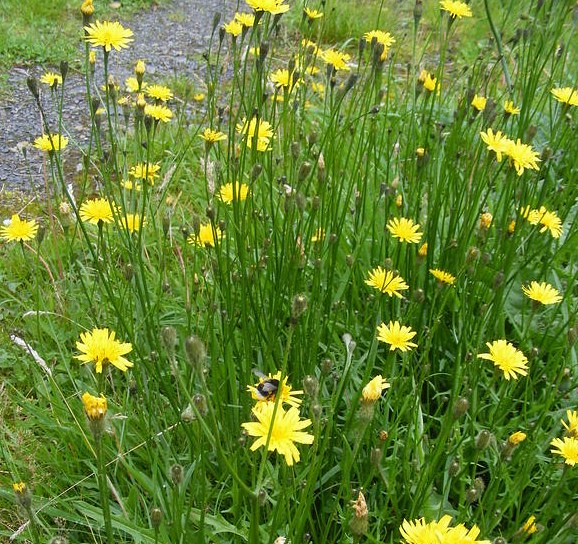
There are no poisonous plant look like dandelions, but if you see a dandelion with multiple flowers on each stem, you are mistaken, for this is no dandelion.
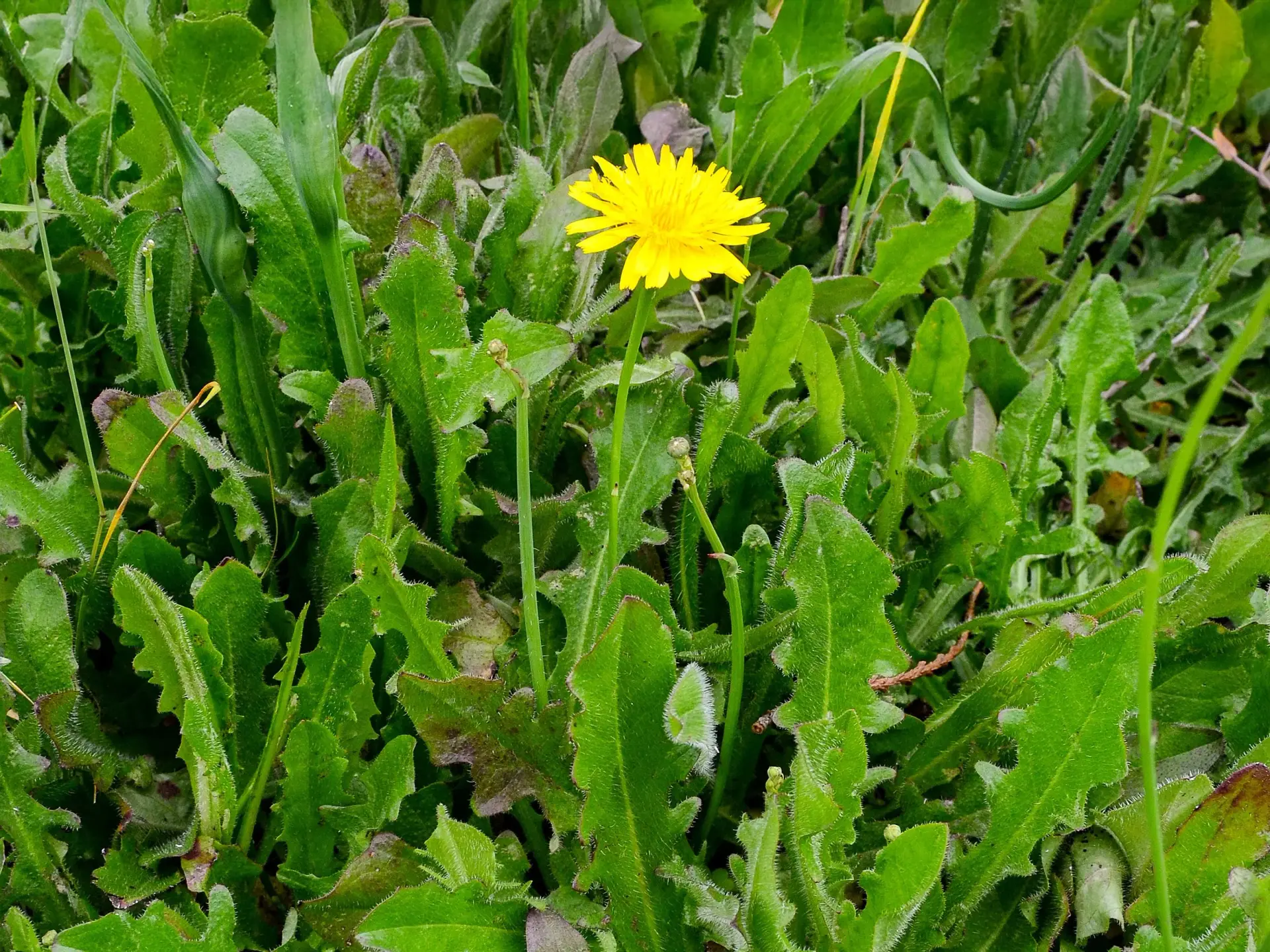
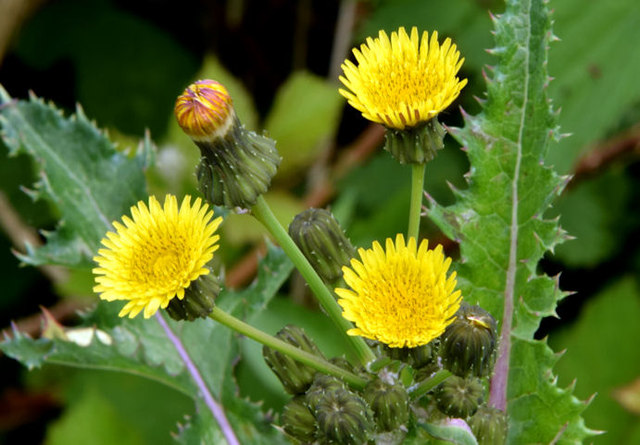
Dandelions can be mistaken for other edible plants such as Sow Thistle (Sonchus oleraceus), Cat Ear (Hypochaeris radicata), and Hawkbit (Leontodon taraxacoides) because, belonging to the same family, they all have similar flowers., all of which have edible flowers.(Alvaro, n.d.)
You can tell these apart easily as cats ears have fluffy leaves, in contrast to the smooth-leaved dandelion.
Dandelions, Cat’s-ears, Hawkbits & Allies
Dandelion vs Cat Ears