Plant Description
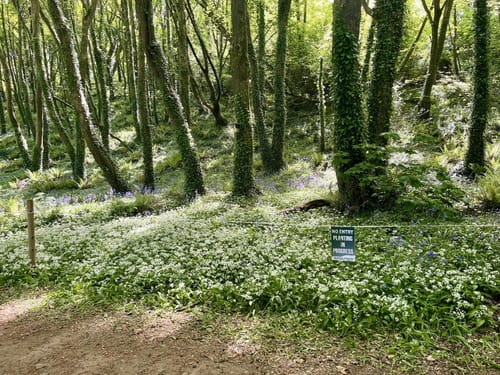
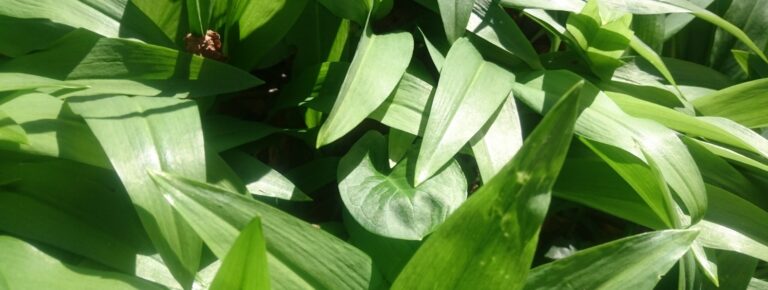
This plant is one you have most likely come across in your forest walks, and if you did not see them you quite likely smelt them first. Wild garlic is loved by many foragers as it is one of the most giving of the wild foods and has some amazing health properties, very similar to his cousin, the garlic allium sativum.
How to identify
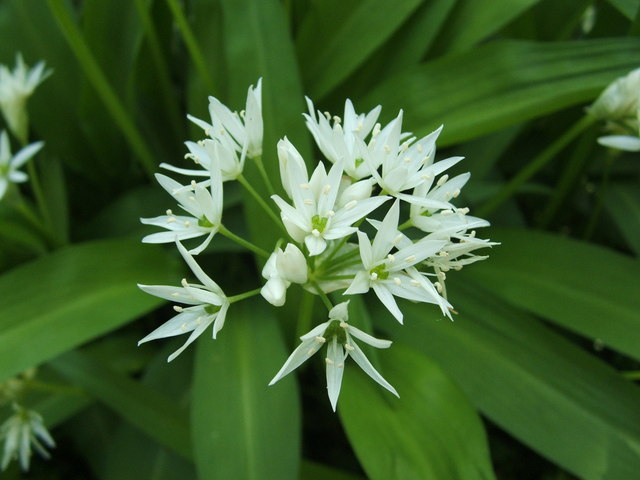
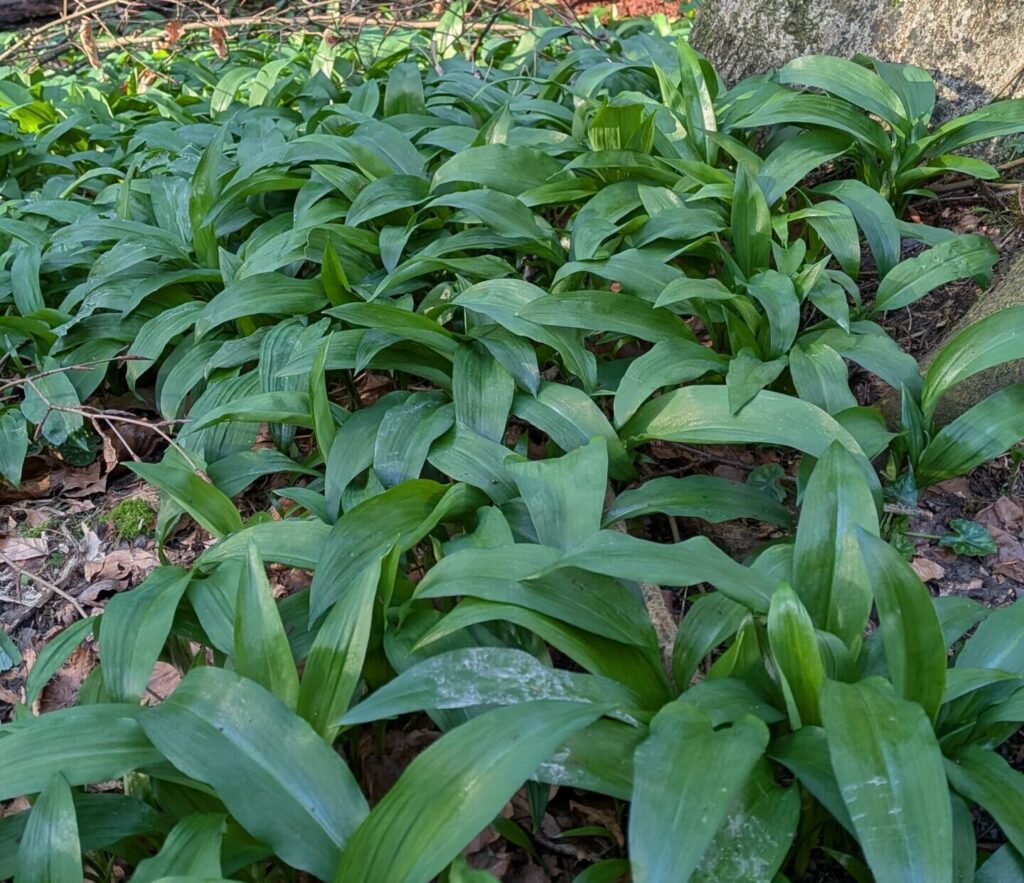
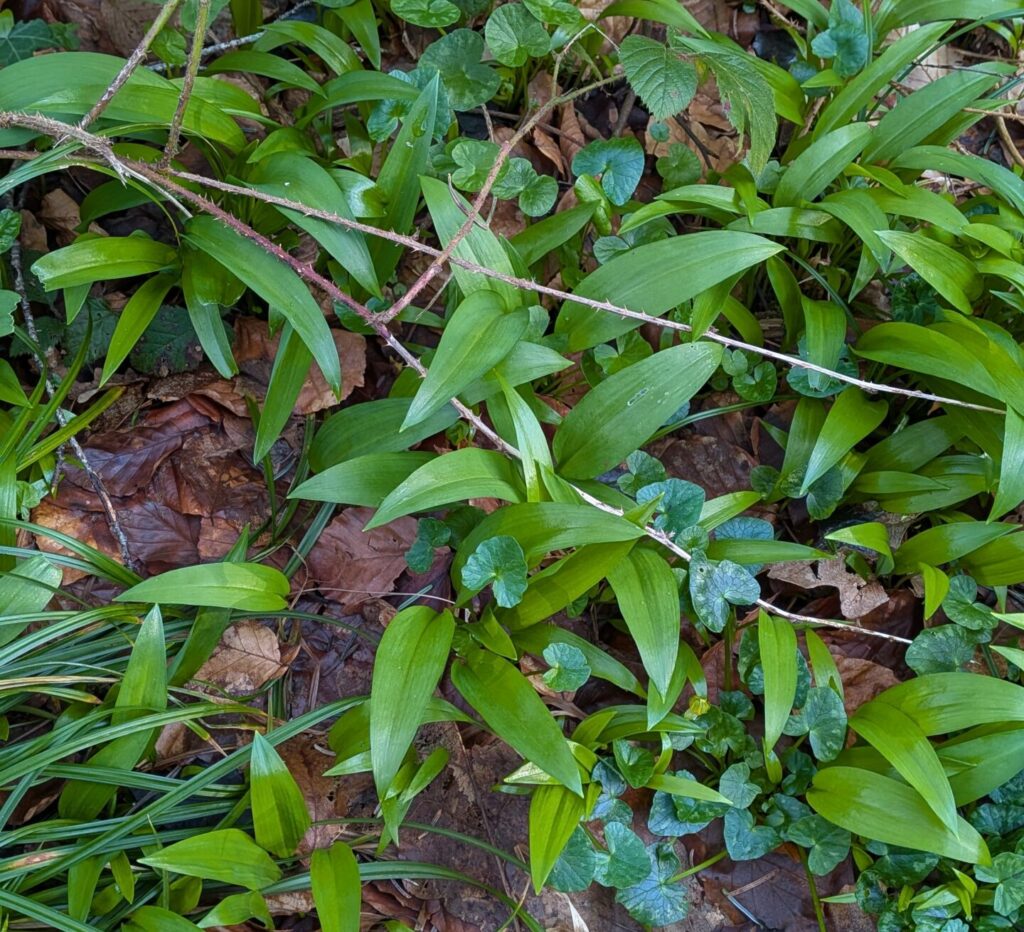
The plant has broad, ribbed, spear-shaped leaves that originate from an underground bulb. The flowers are white, six-petaled, star-shaped, on short stalks arising from the tip of a long, leafless stalk. This plant can be confused with dangerous plant look-alikes, but can be easily distinguished, not by sight or feel, but by smell! (Wright,
2020,p. 96)
If you are ever unsure of the plants, make sure to run the leaf off your fingers. If there is a distinct garlic smell, then that is wild garlic! If you are unsure, then don’t pick it! Caution: When using this technique, as you pick wild garlic, your hands will smell like garlic, so make sure to switch hands or fingers.
Other useful sources:
Totally Wild UK – Good for further explanation
Greedy Vegan – great information, on plant lookalikes and recipes
Wild Food People – Has multiple videos on foraging wild garlic
Harvesting Time
Harvesting from February until May.
Wild garlic leaves can be found in January as small, but edible shoots. The leaves are best picked in March or February, before the plant flowers, or by April, when the leaves are fully grown and have acquired a more bitter taste.
Flowering Season: April- June
The flowers are edible and are great for decoration on any dish. (See recipes below)
The roots are edible and have a faint beetroot taste, but are not considered worth the effort. (Wright, 2020,p. 96)
⚠️Plant Lookalikes
Although wild garlic is among the safest things to forage, it is important to keep your eyes peeled when harvesting, as you could accidentally pick leaves from other plants among your sea of wild garlic patch.
Lords and Ladies – Arum maculatum
Arum indicates it is part of the lily family. The plant does not look similar to wild garlic, but the problem is that they share the same habitat. They appear in hedgerows, in woodland and on wet ground. All parts of this plant are poisonous, so be attentive when picking your wild garlic. (Leng, 2015)
Lily of the Valley – Convallaria majalis
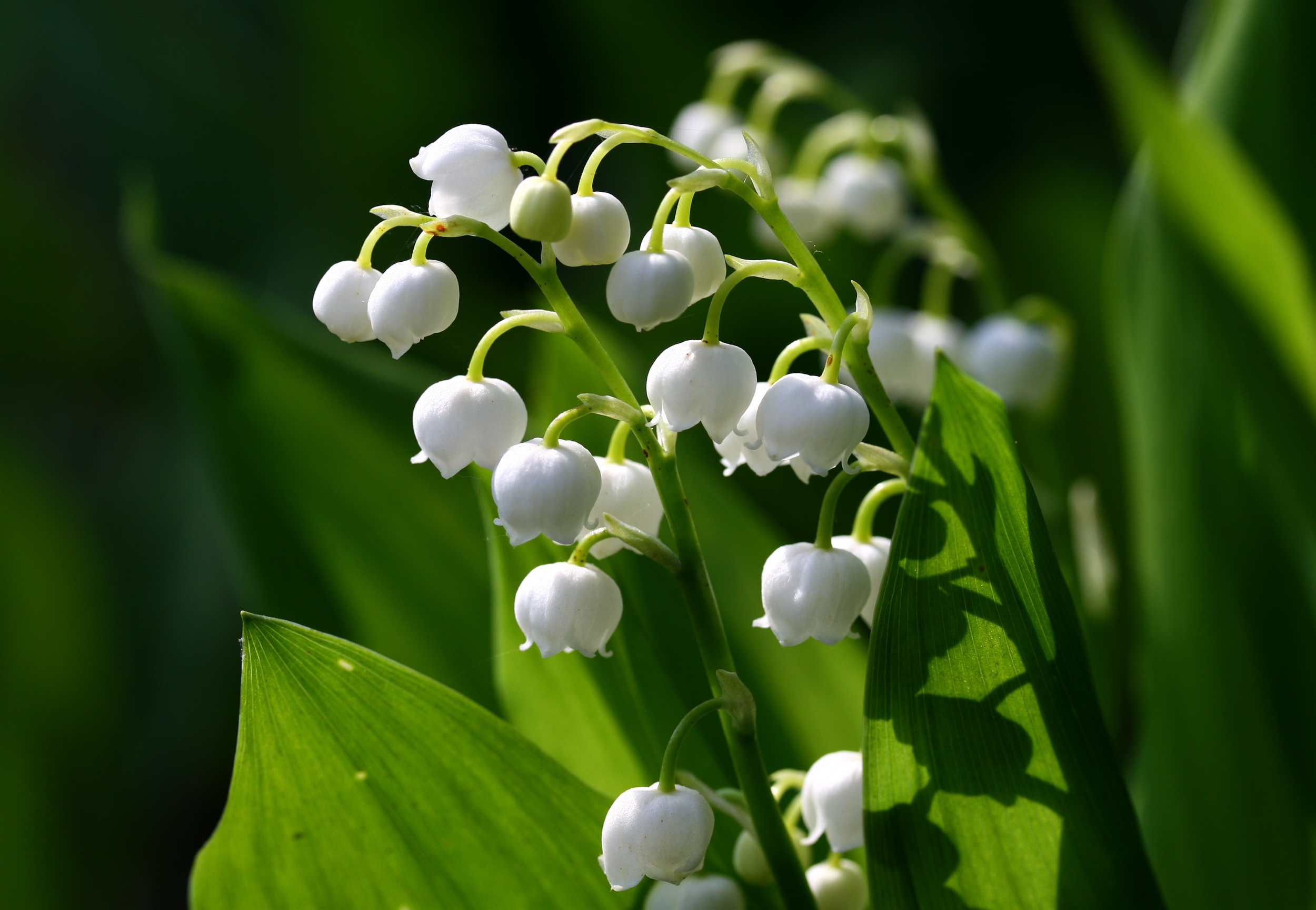
Both lily of the valley and wild garlic grow in damp woodland, often growing in clumps, and both have white flowers, though lily of the valley has bell-like flowers that hang down, similar to bluebells. To the untrained eye, the leaves seem similar, but there are key distinctions to tell them apart!.
- Both plants’ leaves are flat, smooth, shield-shaped, with veins running the length of the leaves. Although the leaves are usually wider on the lily of the valley. (Leng, 2015)
- “Lily of the valley will have two or three leaves coming out of one stem, while wild garlic grows as a bunch of stems with only one leaf per stem. “(Gloria, 2016)
Remember, the key thing is the smell; if it does not smell distinctly of garlic, then leave it there and look for other plants that do 🙂
Further Reading
Greedy Vegan – great information on plant lookalikes
Safety Notice⚠️
Some people are allergic to plants related to garlic and reported side effects from taking wild garlic range from bad breath and stomach upsets to allergic reactions.
Overindulgence in the herb can cause flatulence and possible heartburn.



1 Comment
Hi, I love the information, thanks for all the links and references